Human Design for Enterprise

The next
advantage
is human.

Your people bring more than their job descriptions. Give them the language to recognize it—and a practical way to work with it.

Explore a team pilot
Distinct cyan and gold strands woven into one flowing form

From insight to how we work

01

Recognize.

What do I bring?

02

Articulate.

What helps me contribute?

03

Put it to work.

What can we do differently, together?

Personal insight. Shared language. Practical agreements.

The gap

You can map the work.
Do you know what helps
the people doing it?

A role tells you what someone is responsible for. It tells you much less about how they reach a clear decision, where they want to contribute, or what makes a handoff work.

Those differences often stay unspoken. Someone’s need for time gets read as hesitation. The reliable person keeps getting the same work. AI saves a few steps, but nobody has agreed which judgments should stay with a person.

Human Design gives us a place to start that conversation. The person tells us what actually fits.

How we bridge it

Recognition becomes useful
when something changes.

Human Design is a framework built from birth information to explore patterns of decision-making and contribution. Dylan translates its mechanics into ordinary language, then works with each person to find what holds up in their experience.

  1. 01 / RECOGNIZE

    Start with the person.

    A private reading explores contribution, collaboration and decision-making. The participant confirms, corrects or rejects what they hear.

  2. 02 / TRANSLATE

    Make it sayable.

    Turn the useful parts into specific requests: “Bring me the actual options.” “Give me time to consider a commitment.” “Ask where I want to contribute.”

  3. 03 / AGREE

    Change one practice.

    The team chooses a workable agreement around a real handoff, decision or recurring task. Each person chooses what to share.

  4. 04 / LEARN

    See what helps.

    Try the agreement. Check whether it was used and what changed. Keep, revise or drop it based on the work and the people doing it.

The benefits

When people are accurately described, everything downstream gets easier.

Every result below comes from one mechanism: each person confirmed how they contribute and decide, and the team agreed to work with it. This is what tends to happen when people stop guessing about each other.

Greater cooperation.

When “give me a night before I commit” is a known preference instead of a mystery, nobody reads it as resistance. The team spends less energy interpreting each other and more on the work.

What to watchFewer escalations that were really misreadings.

Higher job satisfaction.

People do their best work on what they said yes to. When contribution is asked about instead of assumed, the reliable person stops getting everything and the person who wanted the hard problem gets it.

What to watchWhat people say in the week-three review, in their own words.

Less churn.

Most people don’t leave the work. They leave being misread. A team that can name how each person contributes gives them a reason to stay that a counteroffer can’t match.

What to watchRetention on pilot teams against the rest of the organization over the following two quarters.

Efficiency.

A decision that arrives in the form a person answers best gets answered once. Rework drops. Queues shorten. The machine stops waiting on a human who was waiting on a clearer question.

What to watchMedian time from escalation to recorded decision.

Better outcomes.

Decisions made by the right person, in their own process, hold. They don’t reopen on Thursday. The team ships what it agreed to instead of relitigating it.

What to watchReopened decisions per month.

The human layer, written down.

For the first time, a team’s people can be described as precisely as its workflows: what each person brings, which judgments belong with them, how to hand them a decision. In a record they confirmed and your systems can read. Placing people where they are strongest used to be intuition held by one good manager. Now it can be shared, kept and built on.

What to watchHow many handoffs follow the agreement without anyone enforcing it.

These are the results a pilot is built to test, one team and one measure at a time. Tell us the outcome you care about and we will choose the measure for it before anything starts.

What this looks like at work

A useful insight has
a next sentence.

The familiar moment

“We left the meeting with a yes. Then the decision reopened.”

Agreement in the room did not mean the person had enough clarity to commit.

The conversation makes it specific

“I can give you an initial reaction now. For this commitment, send me the options and let’s agree when I’ll come back with an answer.”

The team agreement Separate the first reaction from the final commitment. Agree on a response time that works for the task.

What to watch: Did the team meet the deadline with fewer decisions reopening?

Illustrative workshop examples. Agreements are chosen with participants and shaped by the work; they are never assigned from a chart.

What makes this different

The depth stays.
The language gets useful.

INTERPRETATION WITH A SOURCE

You can ask why.

Chart mechanics give the reading structure. Plain-language explanations make the basis visible. An AI writing layer can help express the interpretation; it does not invent the chart.

A PERSON IN THE CONVERSATION

You can say “that’s not me.”

Dylan’s work centers on permission and recognition. The participant’s experience determines what is useful. Their correction is part of the process.

A PRACTICAL FINISH

You leave with something to try.

A personal takeaway becomes an invitation to name a preference, request a different handoff or test a working agreement. The goal is a change people can actually describe.

The guiding ethos

More permission to be yourself.
More clarity about working together.

People have the final say.

A reading is an invitation to reflect. It never outranks someone’s lived experience, skills or choices.

Participation is a choice.

Personal readings stay private. Participants choose which insights, if any, become part of a team conversation.

Difference deserves room.

The aim is to recognize more ways of contributing. A type does not determine someone’s role or limit what they can learn.

Usefulness has to be earned.

Human Design is a reflective framework, not a validated measure of ability or performance. This work is for voluntary development and collaboration, never hiring, ranking or promotion decisions.

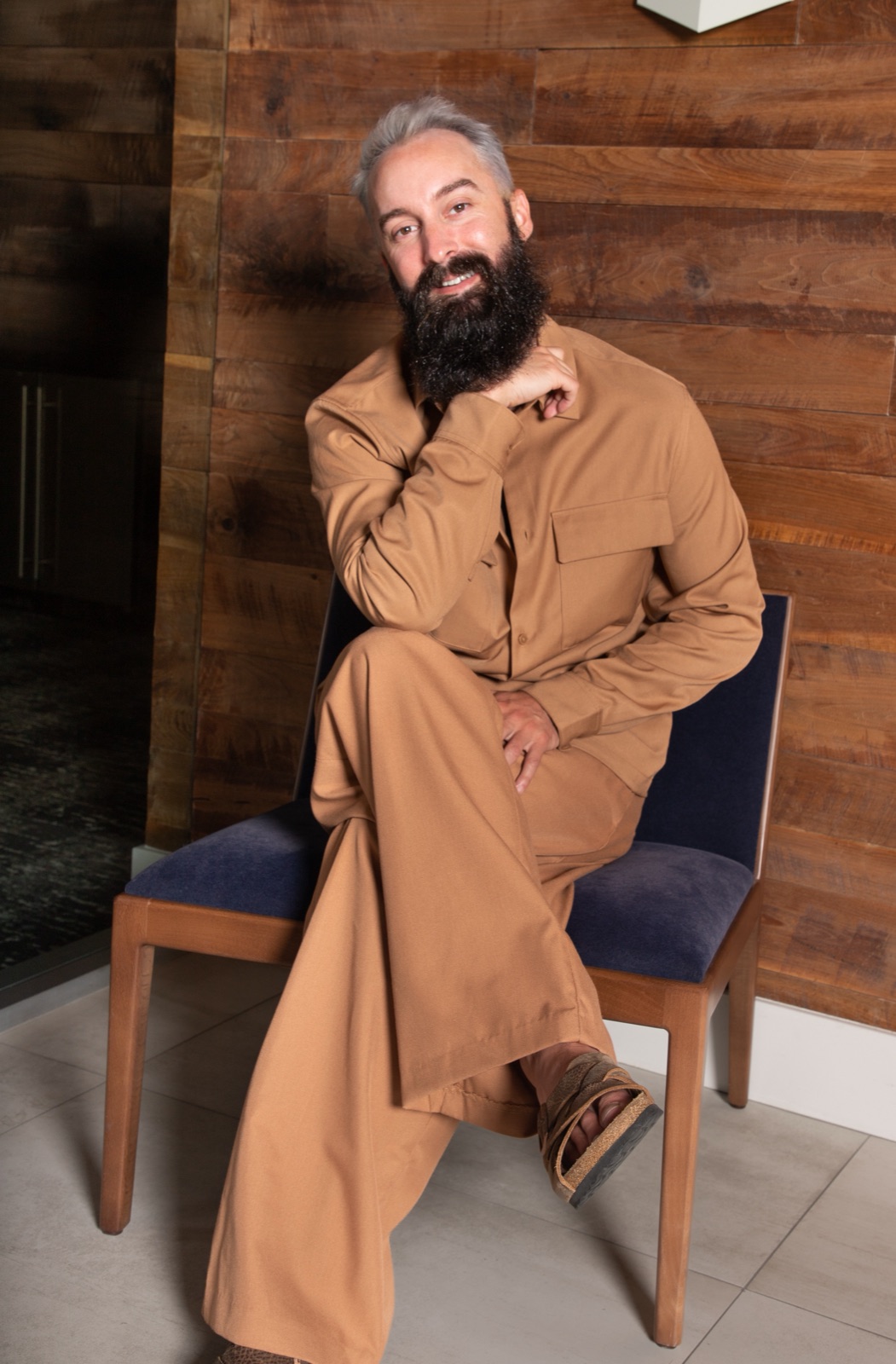
Dylan Varenhorst seated and smiling
Dylan Varenhorst · Human Design Maven

Meet your guide

Dylan Varenhorst

Human Design strategist.
Teacher, speaker and advisor.

Known as the Human Design Maven, Dylan translates complex systems into guidance people can recognize and use. For more than a decade, he has explored the intersection of Human Design, related wisdom traditions, leadership and practical strategy.

His work with founders, creatives and leaders brings personal insight into the decisions, relationships and businesses they are building.

His contribution here is the translation: understanding the mechanics, hearing the person in front of him, and finding the words that turn recognition into a useful next move.

“Being good at it isn’t your yes.”

From Your Human Advantage, the event reading experience. A starting point for an honest conversation about contribution.

A focused place to start

One team.
One workflow.
Three weeks.

Choose one willing team and a real place where work gets stuck. Build a small pilot around it with Dylan.

Agree on one measure before you begin: reopened decisions, handoff rework, or time spent preparing a decision.

WEEK 01

Hear the people.

Private consultations, participant corrections and a shared understanding of the workflow. Agree on what is appropriate to share.

WEEK 02

Try the agreement.

A facilitated team session turns useful insights into a short working agreement. Put it into practice on the chosen workflow.

WEEK 03

Review what happened.

Check the agreed measure and hear from the team. Decide what to keep, what to change and whether further work makes sense.

What the team keeps
Private personal takeaways, a participant-approved working agreement and a short review of what was learned.

Human Design for Enterprise

Where is good work
getting stuck?

Tell Dylan about the team, the work and what you would like to change. Start with a conversation about fit.

Talk to Dylan

Opens an email draft. Your reading and birth details are never attached.